MQF Level
7
Duration and Credits
Semester 2
5 ECTS
Mode of Study
Part-Time Day
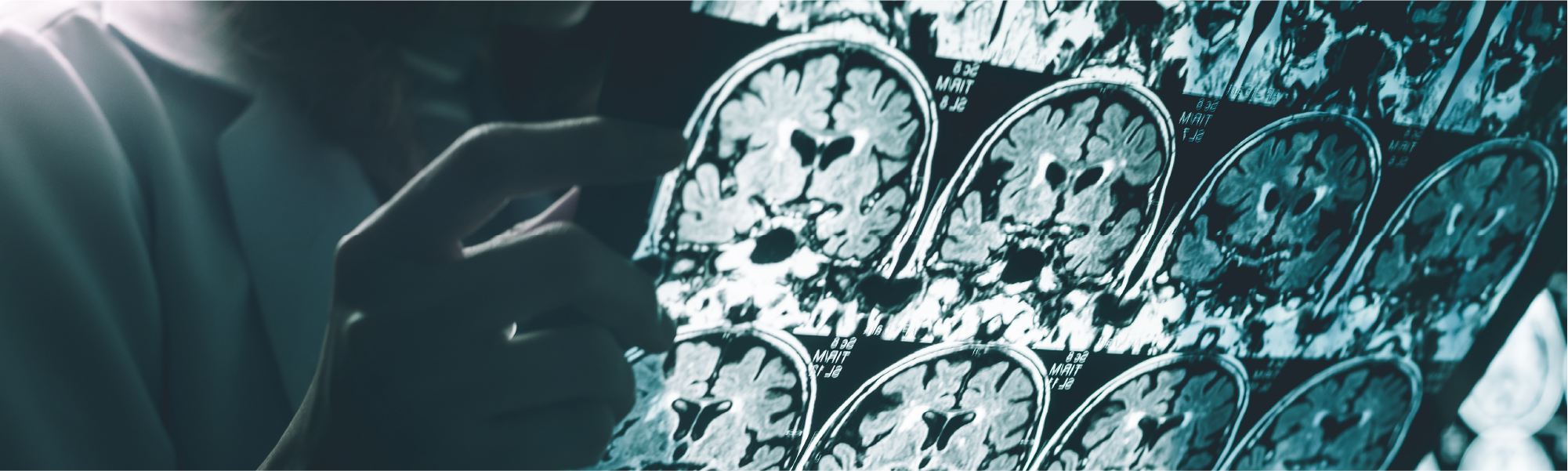
Magnetic Resonance Imaging (MRI) is a widely utilised diagnostic modality renowned for its ability to produce detailed, high-contrast images of soft tissues using strong magnetic fields, radiofrequency pulses, and advanced signal processing techniques, without the risks associated with ionising radiation. This capability makes MRI indispensable in a wide range of clinical scenarios, including neuroimaging, musculoskeletal evaluation, cardiovascular assessment, and abdominal and pelvic imaging.
In order to ensure safe MRI practice radiographers need to be knowledgeable of core physical principles such as magnetic resonance, relaxation processes (T1, T2, and proton density), image weighting, pulse sequence design, and the manipulation of contrast through parameters such as repetition and echo times. Beyond image acquisition, MRI practice requires a thorough understanding of patient positioning, coil selection, artefact recognition, and optimisation of protocols for specific clinical questions. Given the use of powerful magnets, strict adherence to safety protocols is essential to prevent hazards related to ferromagnetic projectiles, implanted devices, peripheral nerve stimulation, acoustic noise, and radiofrequency heating, as well as to ensure the safe use of gadolinium-based contrast agents.
As MRI services continue to expand in healthcare systems, radiographers need to remain current in both theoretical knowledge and practical application. This continuing professional development (CPD) micro-credential provides a structured update for radiographers seeking to consolidate or refresh their skills, combining face-to-face and synchronous online lectures, recorded for later review, with interactive discussions and online activities to reinforce learning. The study-unit concludes with a half-day in-person workshop, where participants will collaboratively analyse case studies, apply MRI principles to clinical problem-solving, and critically evaluate safety considerations in real-world contexts.
Please check your eligibility to join this short course and time-tabling details with the Faculty of Health Sciences. The short course will only be delivered subject to a minimum number of applications being received.
You are viewing the entry requirements for International applicants. Switch to Local qualifications.
The aims of this study-unit are to:
By the end of the study-unit the student will be able to:
By the end of the study-unit the student will be able to:
Non EU Applicants:
EUR325
You are viewing the fees for non EU nationals. Switch to EU nationals if you are a national of any country from within the EU/EEA.
Micro-credentials offer the possibility of providing flexible learning pathways to respond to evolving needs and new developments, thus enabling students to tailor their studies to their needs. Micro-credentials may be combined or transferred into larger credentials, such as certificates, diplomas and degrees, provided that the relevant programme requirements are met. Applicants wishing to transfer micro-credentials to a programme of study are encouraged to seek the advice of the relevant academic entity.